












 US Headlines World Headlines Business Headlines

Dave the Computer Guy talks about the importance of good pc monitors and speakers. We also talk about hacking and traveling safe with tech this summer. And signs that your computer has been infected. techsintheburg.com

Ashlee Waldbauer and Carson Eubank preview “They’re Playing Our Song.” It’s at Riverside thru May 12. Neil Simon’s musical comedy based on the real life relationship of composer Marvin Hamlisch and Carole Bayer Sager.

Students Elisa Luckabaugh, Adrian Coello and Betsy Lewis, the UMW Assistant Dean of the College of Arts and Sciences preview what happens on April 26th. Posters, oral presentations, creative writing, art exhibits, and plays. Work […]

Meredith Keppel with the George Washington Regional Commission and Brent Hunsinger with Friends of the Rappahannock preview Friday’s Green Infrastructure Charette at the Howell Library in Stafford from 12-1:30. Organizers say it will be an […]

Allen and Allen’s David Williams talks about honoring local heroes. The deadline to nominate is midnight, April 30th.

Shirley Shields, Anna Higginbotham and Cornelia Rutherford preview the 2024 Faire at Lake Anna Winery–weekends May 11-June 9th. The theme this year is…voting. Tickets must be purchased in advance on line. You are strongly encouraged […]
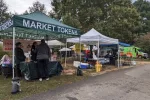
Executive Director Candice Armstrong talks about the SNAP/match program at the local farmers markets. Armstrong says this is an opportunity for families who receive SNAP benefits to double their money for fresh fruits and vegetables.
Dan Maher with the Fredericksburg Regional Food Bank and Karen Brace with Awesome Possumz on William Street in Fredericksburg talk about hunger in the area. It’s not just those who are homeless. Awesome Possumz is […]
Hematology Oncology Associates of Fredericksburg patients Mike and Cindie and Dr. Chris Vaughn talk about treating cancer from the diagnosis going forward. hoafredericksburg.com

Stafford Commissioner of the Revenue Scott Mayausky and Fredericksburg Regional Alliance President Curry Roberts talk about what data centers are, what they’ll mean to the region and the role of incentives.
Mary O’Neil and Beth Parnicza with the Fredericksburg and Spotsylvania National Military Park preview the 160th anniversary events to mark The Overland Campaign. We talk about the significance of the battles and what influenced the […]

Dr. Rod Flynn and Dr. Maithreyi Samara talk about the multi-discipline breast cancer clinic. It’s a unique approach where your various doctors and treatment is done in one place. It’s new for the area.

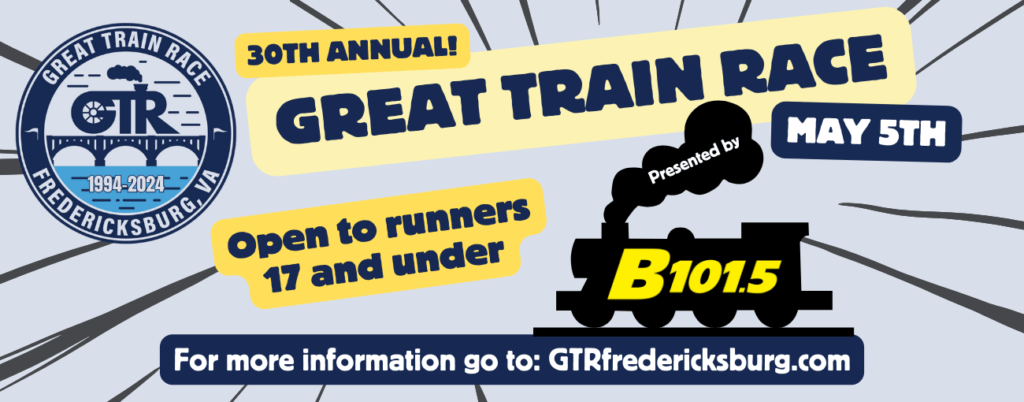
Race Director Brain Pessolano previews the 30th annual race on May 5th. The 1-mile Express is for kids 6-17. The 1/2-mile George Dashington for ages 10 and under, and the 1/4-mile Caboose Run for ages […]

Executive Director Anne Darron and Board Chairman Chuck Fennell with an update on work at the Mary Washington Monument and Caretaker’s Lodge. There’s a wreath laying at the monument May 5th to mark the 130th […]
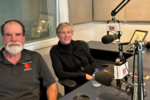
Matt Kelly and Anne Little talk about Inform Fredericksburg. The group advocates for sustainable growth to preserve the character of Fredericksburg. Issues include city services, taxes and fees, traffic and parking and maintaining neighborhood character. […]


